Symbolism of liberation (Moksha) in Hindu philosophy
In Hindu philosophy, liberation (Moksha) is a central concept symbolizing freedom from the cycle of birth, death, and rebirth (Samsara) and union with the divine or ultimate reality (Brahman). The symbolism of Moksha is deeply intertwined with spiritual freedom, transcendence, and self-realization. Here are some key symbols and themes associated with Moksha
-
1. The Lotus Flower :
Symbol of Purity and Enlightenment: The lotus rises above muddy waters to bloom untainted, symbolizing the soul's journey toward liberation while remaining unaffected by worldly desires.
Spiritual Ascent: It represents the unfolding of spiritual awareness, leading to Moksha.
-
2. The River or Flowing Water :
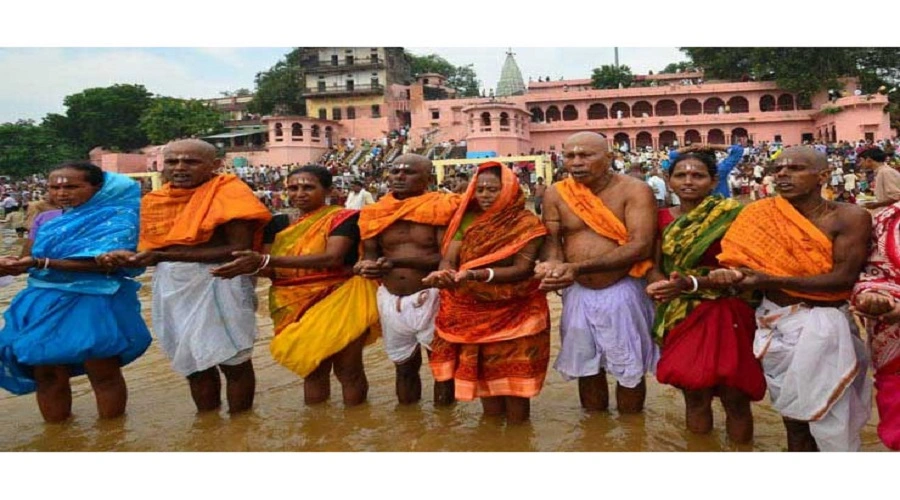
Symbol of Detachment and Purification: Rivers like the Ganges are seen as purifying agents, symbolizing the soul's journey toward liberation as it flows into the infinite ocean of Brahman.
Merging with the Source: The river’s union with the ocean reflects the soul’s merging with the divine.
-
3. Om (Aum) :
Cosmic Sound and Universal Truth: The sacred syllable "Om" represents Brahman, the ultimate reality. Chanting it symbolizes aligning oneself with the eternal and transcending the ego.
Meditative Liberation: It is a tool for achieving inner stillness and union with the divine.
-
Conclusion:
In essence, Moksha symbolizes the ultimate goal of human life in Hindu philosophy—freedom from all limitations and realization of oneness with the infinite. It is not merely an escape from suffering but a state of eternal bliss (Ananda), self-awareness, and unity with the cosmic consciousness.
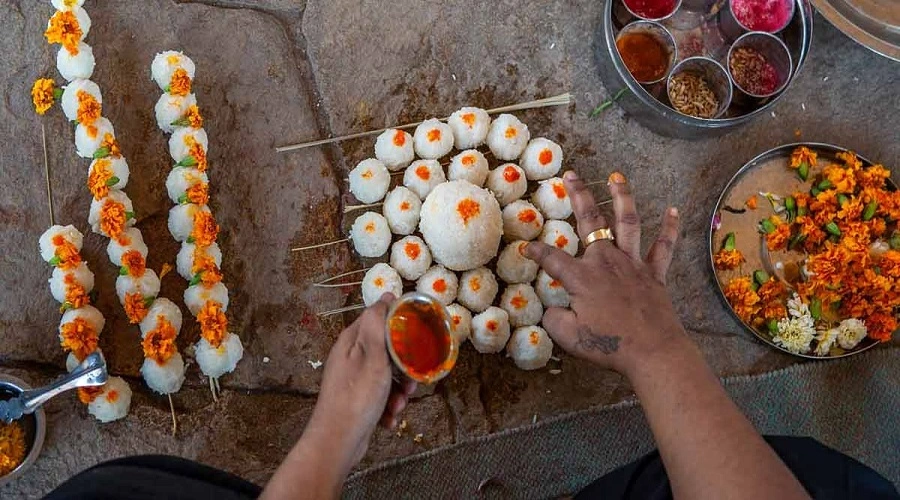
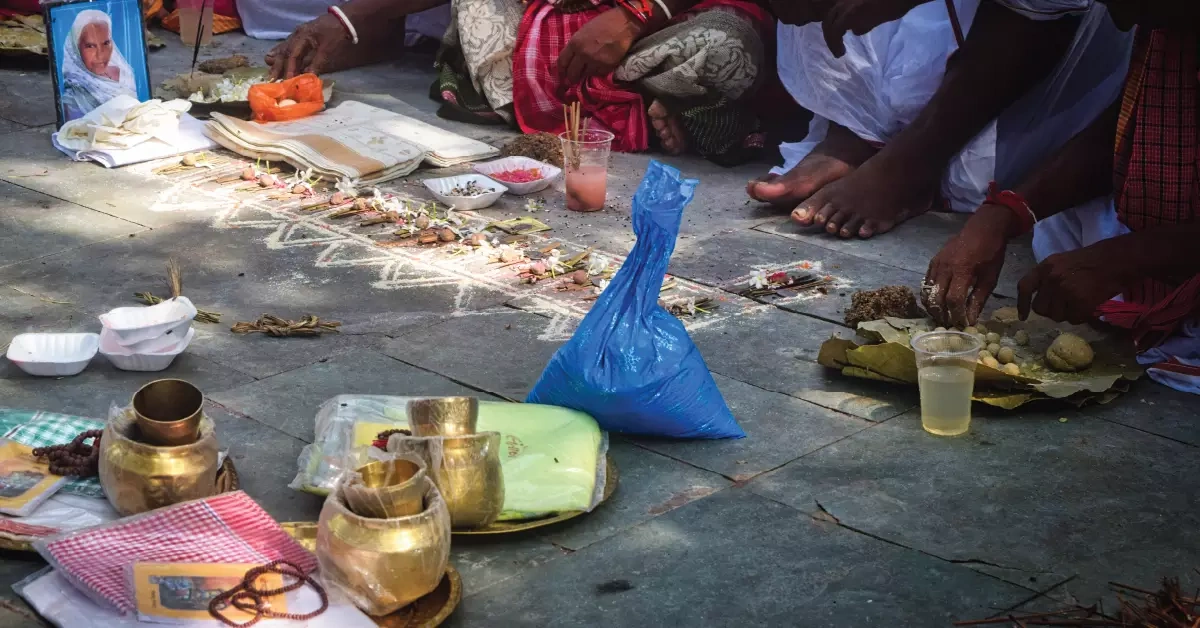
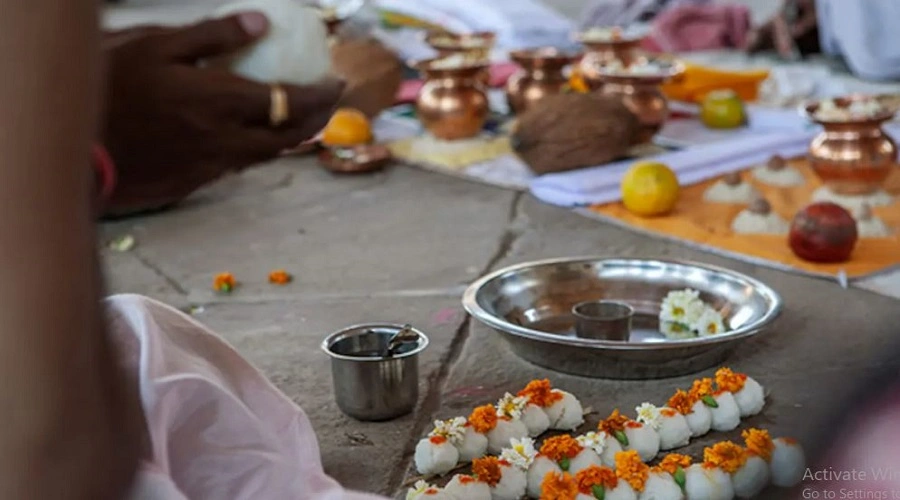
The rituals associated with Asthi Visarjan vary depending on regional customs and family traditions. However, some common elements include:
4. The Flame (Deepa or Agni)
Symbol of Transformation: Fire burns away impurities, symbolizing the destruction of ignorance (Avidya) and ego (Ahankara) that bind one to Samsara.
Eternal Light: The flame represents the eternal soul (Atman) that seeks liberation.
5. The Tree (Ashvattha or Banyan)
Inverted Tree: The Bhagavad Gita describes the cosmic tree with its roots upward and branches downward, symbolizing the illusory nature of the world (Maya). Cutting this tree with the "axe of detachment" leads to Moksha.
Shelter and Eternity: The banyan tree is often a place of spiritual teachings, symbolizing timeless wisdom and refuge for seekers of liberation.
6. The Bridge (Setu)
Connection to the Divine: Moksha is symbolized as crossing a bridge that connects the mundane world to the divine realm.
Path of Dharma: The bridge reflects disciplined living and adherence to spiritual practices.
7. Liberation from Chains
Breaking Bonds: Moksha is often visualized as the breaking of chains that represent attachments, ignorance, and karma.
Freedom from Samsara: This symbolizes emancipation from material existence and suffering.
8. The Sun
Symbol of Knowledge and Illumination: The sun dispels darkness, symbolizing the light of self-realization and liberation.
Eternal Witness: The sun’s constancy reflects the unwavering nature of the liberated soul.
9. The Cosmic Dance (Nataraja)
Shiva’s Dance of Liberation: The Tandava dance of Lord Shiva represents the cycle of creation, preservation, and destruction, culminating in the liberation of souls.
Destruction of Ignorance: Shiva’s raised foot signifies refuge and liberation for devotees.
10. The Path of the Serpent (Kundalini)
Symbol of Energy and Awakening: The Kundalini serpent, coiled at the base of the spine, represents latent spiritual energy. Its ascent through the chakras symbolizes spiritual awakening and liberation.
Union with Sahasrara: When the serpent reaches the crown chakra (Sahasrara), it symbolizes union with the divine.
11. The Wheel (Dharma Chakra)
Breaking the Cycle: The wheel represents the cyclical nature of Samsara. Moksha is the cessation of this wheel, leading to ultimate freedom.
Path of Righteousness: Following Dharma leads to breaking the karmic cycle.